Regulations and guidelines
When it comes to construction, safety should always be the top priority. get details . The importance of safety in construction cannot be overstated, as it not only protects the workers on site, but also ensures that the project is completed without any accidents or delays.
Regulations and guidelines play a crucial role in maintaining safety in construction. These rules are put in place to outline the necessary precautions that need to be taken to prevent accidents and injuries. From wearing proper protective gear to following proper procedures for handling equipment, these regulations are designed to keep everyone on the construction site safe.
By adhering to these regulations and guidelines, construction companies can create a safe working environment for their employees. This not only protects the workers from harm, but also helps to prevent costly accidents that can delay the project timeline.
Ultimately, safety should always be the number one priority in construction. By following regulations and guidelines, construction companies can ensure that their workers stay safe and that the project is completed successfully. Prioritizing safety not only protects the well-being of those on site, but also helps to maintain a positive reputation for the company.
Training and education
Safety is a crucial aspect of any construction project. It ensures the well-being of workers and prevents accidents that could result in serious injuries or even fatalities. That is why training and education on safety practices are essential for everyone involved in the construction industry.
Proper training equips workers with the knowledge and skills needed to identify potential hazards and take necessary precautions to prevent accidents. It also helps them understand the importance of following safety protocols and procedures to create a secure working environment.
Education on safety in construction also plays a vital role in increasing awareness and promoting a safety culture within the industry. When everyone is aware of the risks involved in construction work and the steps that need to be taken to mitigate them, the overall safety standards on construction sites improve significantly.
Additionally, training and education on safety help in compliance with regulations and standards set by authorities. By ensuring that workers are well-informed about safety requirements, construction companies can avoid penalties and legal issues that may arise from non-compliance.
In conclusion, safety should always be a top priority in construction. Training and education on safety practices are crucial in creating a safe working environment, preventing accidents, and promoting a culture of safety within the industry. It is essential for everyone involved in construction to be well-trained and educated on safety to ensure the well-being of all workers and prevent any mishaps on site.
Personal protective equipment
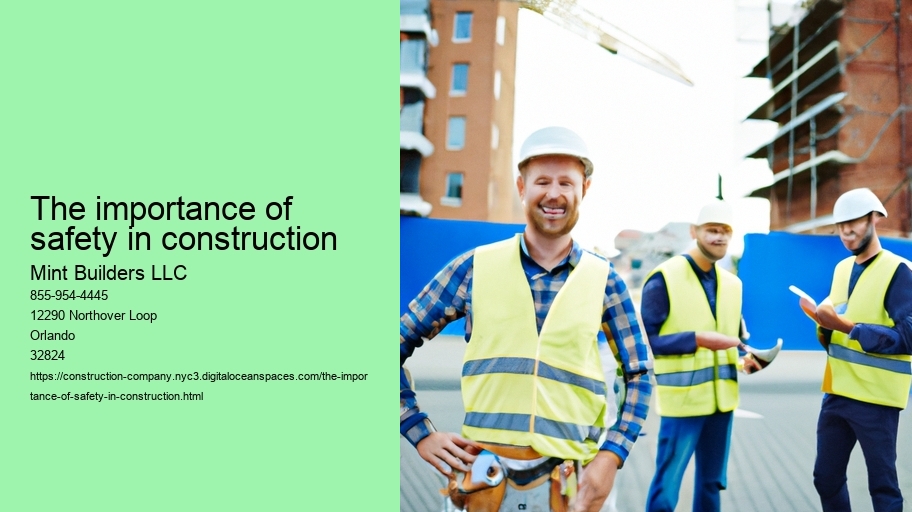
Safety is an essential aspect of any construction project. One of the key components of ensuring safety on construction sites is the use of personal protective equipment (PPE). PPE includes items such as hard hats, safety glasses, gloves, and steel-toed boots that are designed to protect workers from potential hazards on the job.
The importance of PPE cannot be overstated. Construction sites are inherently dangerous places, with risks ranging from falling objects to exposure to hazardous chemicals. Without the proper protection, workers are at risk of serious injury or even death. PPE acts as a barrier between workers and these dangers, reducing the likelihood of accidents and injuries.
In addition to protecting workers from physical harm, PPE also plays a role in promoting a culture of safety on construction sites. When workers see their colleagues wearing the necessary gear, it sends a clear message that safety is a top priority. This, in turn, can lead to increased awareness and vigilance when it comes to following safety protocols and procedures.
Employers have a responsibility to provide their workers with the appropriate PPE and ensure that it is used correctly. This includes providing training on how to properly wear and maintain PPE, as well as conducting regular inspections to ensure that the equipment is in good working condition. By investing in PPE and prioritizing safety, employers can create a safer work environment for their employees and reduce the likelihood of accidents and injuries.
In conclusion, personal protective equipment is a crucial component of safety in construction. By providing workers with the necessary gear and promoting a culture of safety, employers can protect their employees from harm and create a safer work environment for everyone involved. Remember, safety should always come first in construction.
Risk assessment and hazard identification
Safety is of utmost importance in the construction industry, where workers are constantly exposed to various hazards and risks. To ensure the well-being of everyone on the construction site, it is essential to conduct thorough risk assessments and identify potential hazards before any work begins.
Risk assessment involves evaluating the likelihood and severity of potential risks and developing strategies to prevent or mitigate them. By carefully analyzing the tasks involved in a construction project, construction managers can identify potential hazards such as falls, electrical shocks, and exposure to hazardous materials. This allows them to implement appropriate safety measures and protocols to protect workers from harm.
Hazard identification is a crucial step in the risk assessment process, as it involves identifying specific sources of potential harm on the construction site. This can include anything from unstable scaffolding to faulty machinery to unsafe working conditions. By identifying these hazards, construction managers can take proactive measures to eliminate or minimize the risks associated with them.
Ultimately, the importance of safety in construction cannot be overstated. By conducting thorough risk assessments and hazard identification, construction companies can create a safer work environment for their employees and reduce the likelihood of accidents and injuries. Prioritizing safety not only protects workers, but also ensures that construction projects are completed efficiently and successfully.
Emergency preparedness
When it comes to construction, safety should always be the number one priority. One way to ensure safety on a construction site is through emergency preparedness. This means having a plan in place for any potential emergencies that may arise, whether it be a fire, a natural disaster, or an accident.
Having an emergency preparedness plan not only helps to protect the workers on the construction site, but also helps to protect the surrounding community. By being prepared for emergencies, construction companies can minimize the impact of any incidents that occur and prevent further damage or injury.
One key aspect of emergency preparedness is training. Workers should be trained on what to do in case of an emergency, whether it be how to evacuate the site safely or how to administer first aid. Regular drills should also be conducted to ensure that everyone knows what to do in an emergency situation.
Another important aspect of emergency preparedness is having the right equipment on hand. This includes things like fire extinguishers, first aid kits, and emergency communication devices. By having these tools readily available, construction companies can respond quickly and effectively in the event of an emergency.
Overall, emergency preparedness is crucial for ensuring the safety of everyone involved in construction projects. By having a plan in place, training workers, and having the right equipment on hand, construction companies can minimize the risk of accidents and emergencies, and create a safer work environment for all.
Communication and reporting
Communication and reporting are essential components when it comes to ensuring safety in construction. It is crucial for all workers and stakeholders to be on the same page when it comes to safety protocols and procedures. By effectively communicating and reporting any potential hazards or issues, we can prevent accidents and injuries from occurring on the job site.
When everyone is informed and aware of safety measures, it creates a culture of accountability and responsibility. Workers are more likely to follow safety guidelines when they understand the importance of them and are regularly reminded of the risks involved in their work. This is where communication plays a key role in keeping everyone safe and informed.
Reporting incidents or near misses is just as important as following safety protocols. By reporting any incidents, we can identify trends or patterns that may indicate a larger safety issue. This allows us to take proactive measures to address these issues before they escalate into something more serious.
In construction, where the risks are high and the stakes even higher, communication and reporting are not just important – they are critical. By fostering a culture of open communication and encouraging reporting, we can create a safe work environment for everyone involved. Let us all do our part in prioritizing safety in construction by communicating effectively and reporting any safety concerns promptly.
Continuous improvement
Continuous improvement is a crucial aspect of ensuring the safety of workers in the construction industry. Safety should always be a top priority on any construction site, as the risks involved can be extremely high. By constantly seeking ways to improve safety measures and procedures, we can create a safer work environment for everyone involved.
Implementing continuous improvement in safety practices means taking a proactive approach to identifying potential hazards and finding solutions to mitigate them. This could involve regular safety inspections, providing ongoing safety training for workers, and implementing new technologies or equipment that can enhance safety on the job site.
By making safety a priority and striving for continuous improvement, we can not only prevent accidents and injuries, but also create a culture of safety where everyone feels empowered to speak up and take action if they see something unsafe. This not only protects the well-being of workers, but also contributes to the overall success of the project by minimizing costly delays and disruptions caused by accidents.
In conclusion, continuous improvement in safety is essential for the construction industry. By constantly seeking ways to enhance safety measures and procedures, we can create a work environment that prioritizes the well-being of everyone involved. This not only benefits the workers themselves, but also the project as a whole. Let's work together to make safety a priority in construction and strive for continuous improvement in this vital area.


